
How to Use LowFruits SEO for Keyword Research
7.28MB
V1.1.71
android 5+
1000012
Description
Low Fruits
Finding the right keywords is one of the most important parts of SEO. Many popular keywords are highly competitive, making it difficult for new websites to rank. LowFruits is a keyword research tool designed to help users identify search terms that may be easier to target, especially for newer or smaller websites.
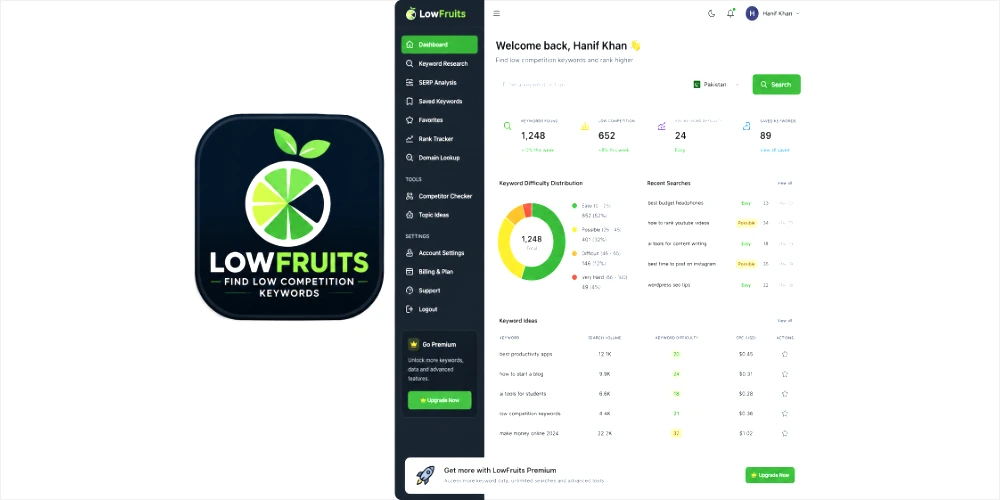
This guide explains what LowFruits is, how it works, its key features, pricing, advantages, limitations, and who can benefit most from using it.
Table of Contents
What Is LowFruits?
LowFruits is an SEO keyword research tool that focuses on identifying keywords with relatively low competition. Instead of looking only at search volume, it also examines the search engine results pages (SERPs) to help users spot opportunities where smaller websites may have a chance to compete.
It is commonly used by bloggers, affiliate marketers, small businesses, freelancers, and content creators who want to build organic search traffic.
How does it work?
The tool starts with a keyword idea and generates related search terms. It then analyzes the search results for those terms and highlights cases where the top-ranking pages include websites with lower authority. This can help users prioritize topics that may be more realistic to target.
A typical workflow includes:
- Enter a seed keyword.
- Review suggested keyword ideas.
- Analyze competition indicators.
- Select relevant keywords.
- Create helpful, high-quality content around those topics.
Key Features
Keyword Discovery
Generate keyword ideas based on a topic or phrase.
SERP Analysis
View the websites currently ranking for a keyword and better understand the competitive landscape.
Long-Tail Keywords
Find longer, more specific search phrases that often match user intent more closely.
Domain Insights
Review how different domains perform for selected keywords.
Simple Dashboard
The interface is designed to be easy to understand, even for users who are new to SEO.
Benefits of Using
- Easy to learn
- Helps identify realistic keyword opportunities
- Supports content planning
- Useful for niche websites
- Saves time during keyword research
- Works well for bloggers and small businesses
Who Should Use It?
LowFruits can be useful for the following:
- Bloggers
- Freelance writers
- SEO professionals
- Small business owners
- Affiliate marketers
- Website publishers
- Digital marketing agencies
Pricing
LowFruits offers different pricing options that may change over time. Before purchasing a plan, review the latest pricing and features on the official website to determine which option best fits your needs.
Pros and Cons
Pros
- Beginner-friendly interface
- Strong focus on keyword opportunities
- Helpful SERP analysis
- Useful for content planning
- Supports long-tail keyword research
Cons
- Some advanced features require a paid plan.
- Search volume estimates should be considered alongside other SEO metrics.
- No single tool can guarantee search rankings.
Tips for Better Keyword Research
- Focus on topics that match your audience’s needs.
- Prioritize quality over quantity when creating content.
- Understand the search intent behind each keyword.
- Update articles regularly to keep them accurate.
- Combine keyword research with technical SEO and a good user experience.
Frequently Asked Questions
Is LowFruits suitable for beginners?
Yes. Its interface is designed to be approachable for users with limited SEO experience.
Can LowFruits guarantee first-page rankings?
No. Rankings depend on many factors, including content quality, relevance, website authority, and technical SEO.
Is LowFruits only for bloggers?
No. It can also be useful for businesses, agencies, publishers, and anyone planning SEO content.
Does LowFruits replace other SEO tools?
It can complement other SEO tools, but many users combine multiple tools to get a broader view of keywords, backlinks, and site performance.
Conclusion
LowFruits is a practical keyword research tool for people who want to discover lower-competition keyword opportunities and better understand search results. While no tool can guarantee rankings, thoughtful keyword research combined with useful, original content and a well-optimized website can improve your chances of attracting relevant organic traffic over time.